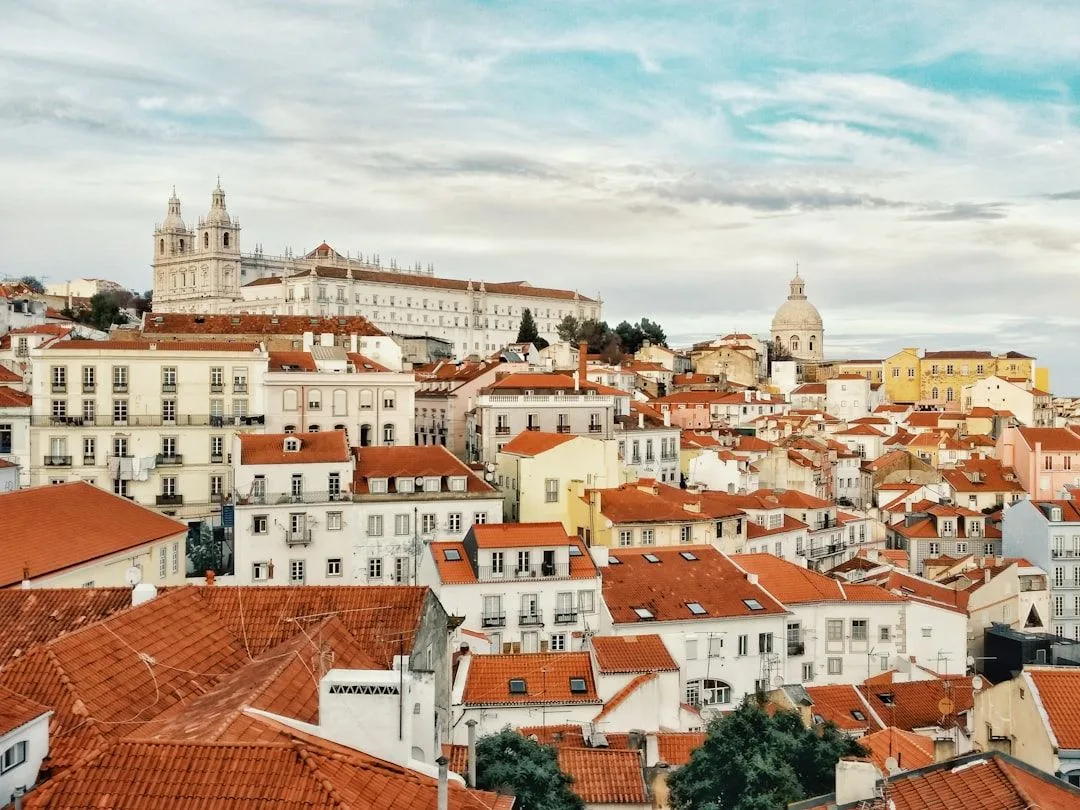
Lisbon's best hours for two people are early and late. In between, the famous neighbourhoods belong to everyone else — and almost everything worth doing at the good hours is free.
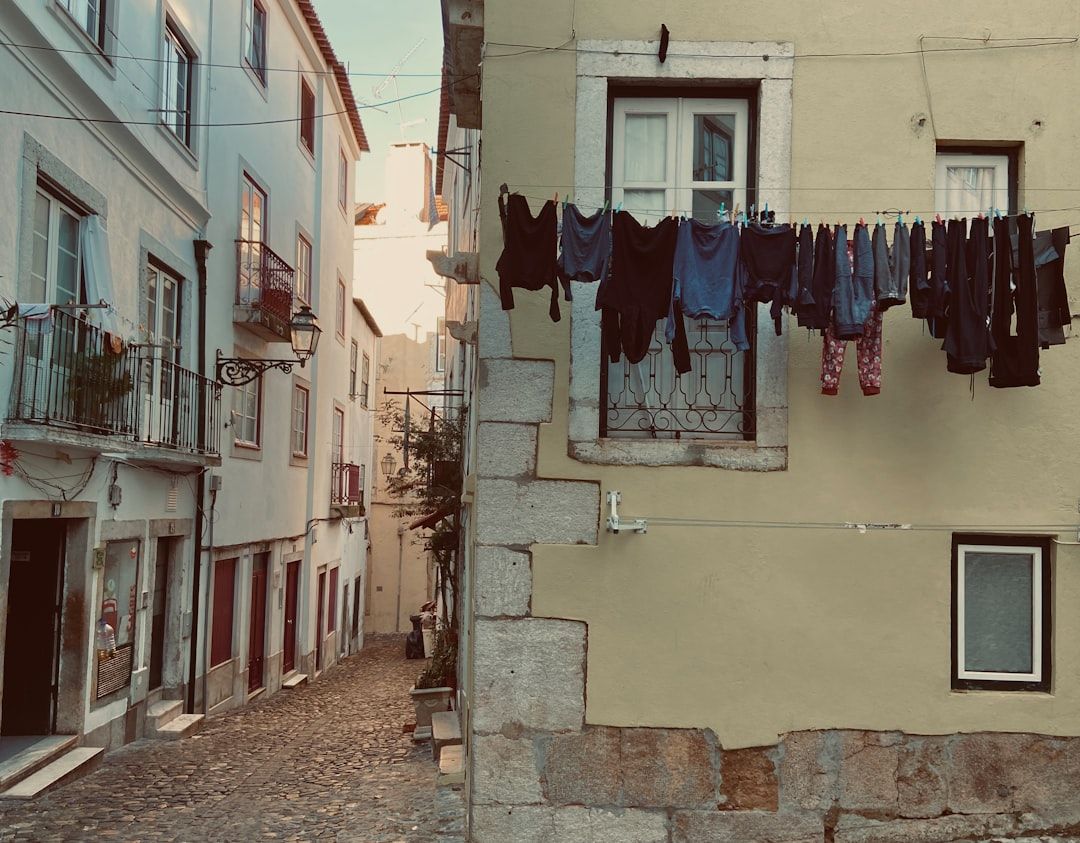
The viewpoints, by hour
Each faces a different way, which makes the timing the whole thing.
Morning — Santa Luzia and Portas do Sol, east over Alfama's roofs to the river, with the sun behind you and almost nobody there before nine.
Late afternoon — São Pedro de Alcântara in Bairro Alto, facing the castle as the light turns.
Sunset — Senhora do Monte and Graça, the highest, facing west across the whole city. Arrive early; both fill.
Evening — Santa Catarina, over the river, where people sit on the wall.
Several have kiosks selling beer or wine for a couple of euros.
Fado, properly
Not the large dinner shows in Baixa, which are staged for visitors.
Small houses in Alfama and Mouraria, where the singing is better and the room is twenty people. Typically a minimum spend rather than a ticket.
Silence is expected while someone sings. Talking through a fado is a genuine breach, and the room will let you know.
Mouraria is where the form originated, and it is considerably less touristed than Alfama.
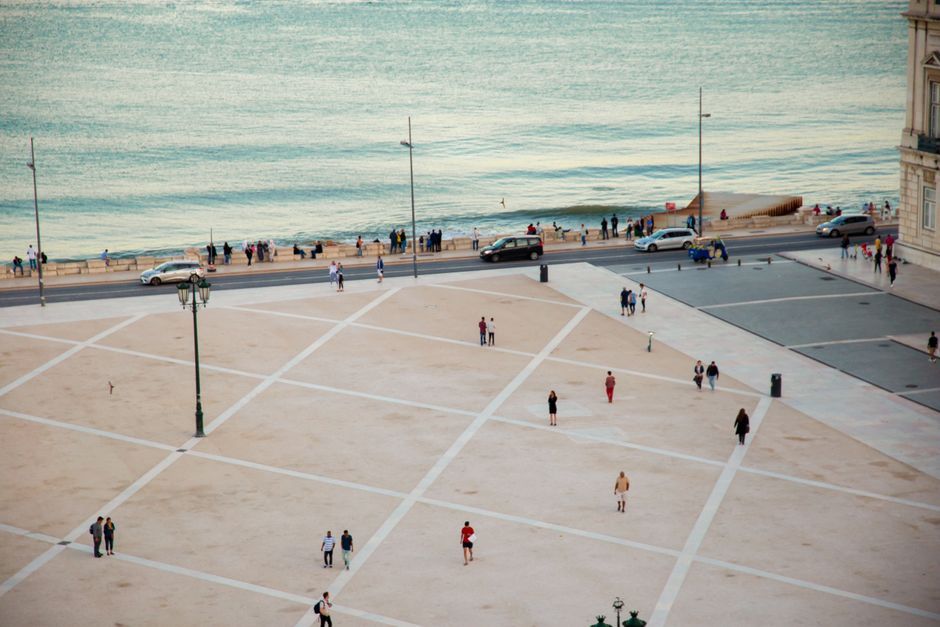
The early morning
Alfama before nine is residential — people going to work, washing on lines, and the lanes empty.
It is a completely different neighbourhood from the one at two in the afternoon, and it costs nothing but getting up.
Across the river
The ferry to Cacilhas — an ordinary transport fare, ten minutes, and the best view back at Lisbon from the water.
On the far side, a row of seafood restaurants along the waterfront and a walkway toward the bridge, with the city opposite.
Almost no visitors make the crossing, which is the point.
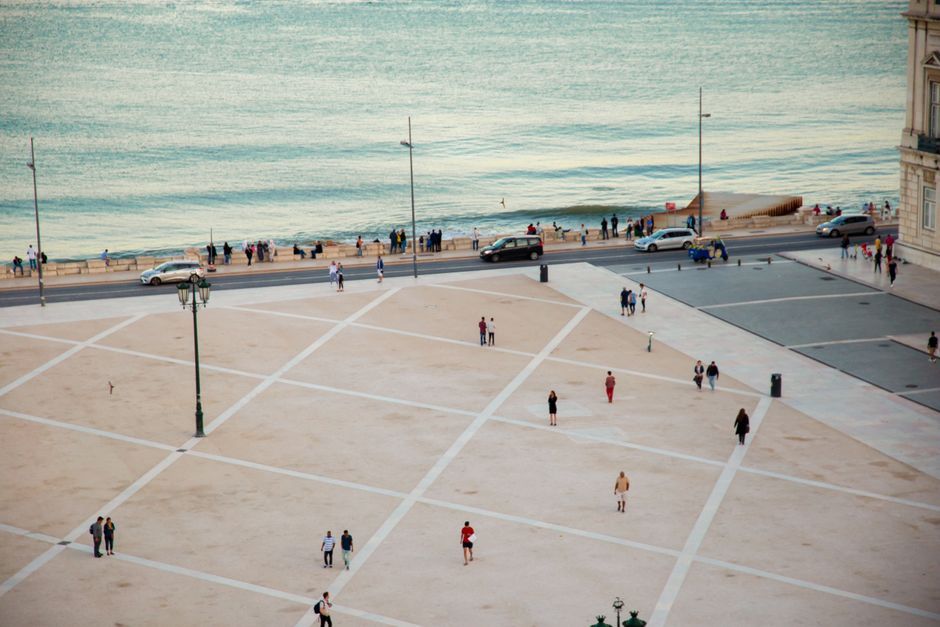
The quiet neighbourhoods
Príncipe Real — a garden square, small shops, and the best restaurants in the centre.
Campo de Ourique — residential, with a market and neighbourhood restaurants.
Graça, above Alfama, where people live.
Eating
A tasca serves a full lunch with wine for €8–12, and the prato do dia is the best thing on the board.
The couvert — bread and olives brought unasked — is charged if eaten. Refusing it is normal.
Ginjinha, sour cherry liqueur, at a standing bar for a euro or two, drunk in one.
Portuguese wine is underpriced — a good bottle in a restaurant is frequently €12–18.
Sintra, if you go
It costs most of a day. Take the first train, buy timed tickets ahead, and choose two sites, not four.
The Moorish castle walls cost less than Pena and have the better view.
Practical
Stay flat — Baixa, Chiado or Príncipe Real — rather than in Alfama, unless you want the climbing.
Shoes with grip. The calçada paving is genuinely slippery.
Take tram 12, not 28, which is packed and is the main pickpocketing location.